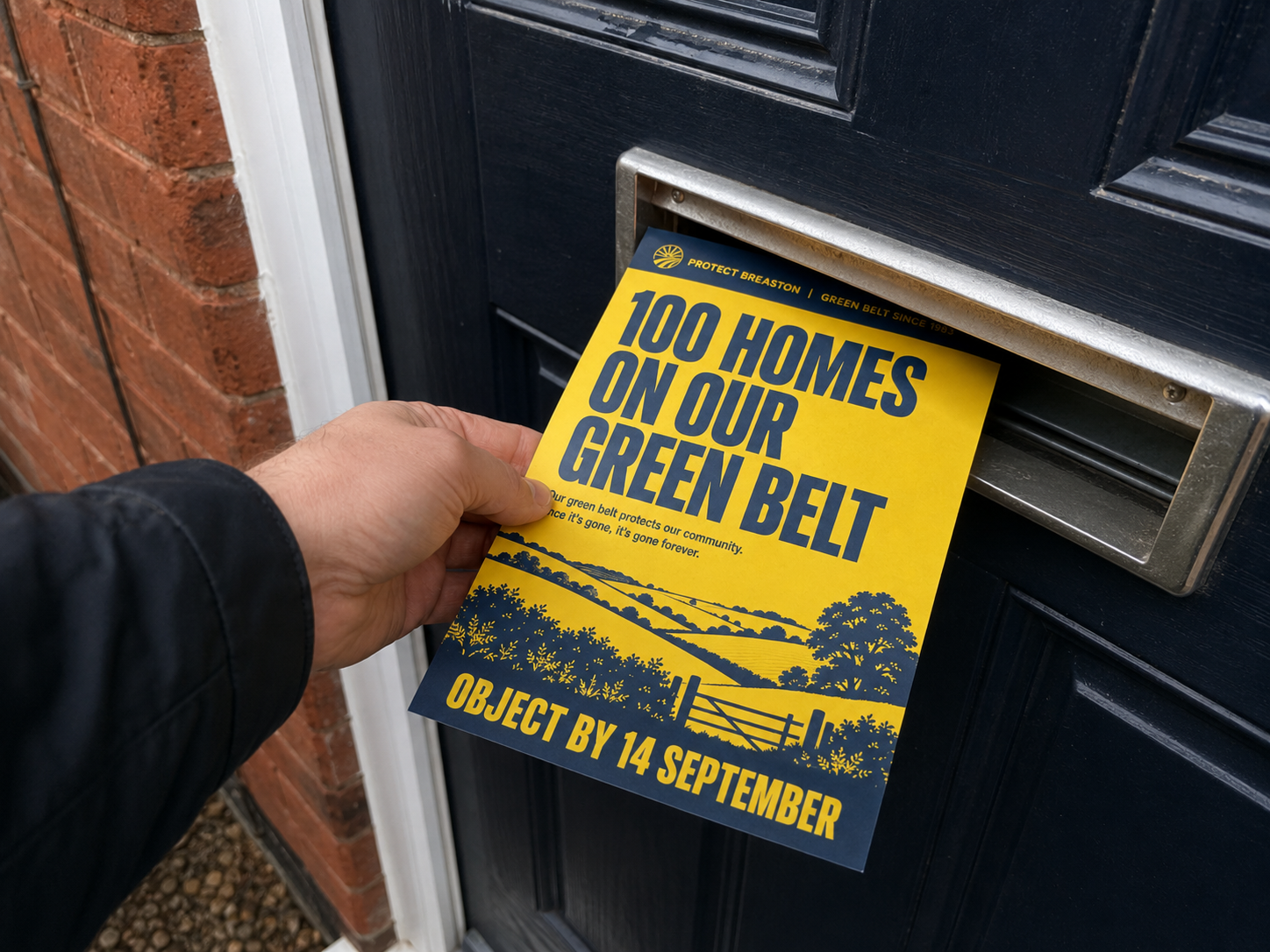

Paper is back in offices, and not because anyone's gone retro.
The actual reason is simpler. The digital productivity tools that replaced paper a decade ago have become exhausting. Calendars that ping for everything. Planning apps with subscription tiers that change every six months. Notes apps that sync across seventeen devices and somehow lose the one you needed. Notifications competing for attention from morning until the laptop closes.
In that environment, a piece of paper on a desk is a thing that does not interrupt you, does not update overnight, and does not require a login. That's the genuine productivity argument for stationery, and it's a stronger one than most of the people selling stationery actually make.
The honest version is that some business stationery earns its place on a modern desk, and most of it doesn't. Here's the difference.
What actually earns its place
Three categories, in rough order of impact.
1. Daily planning surfaces that stay in view
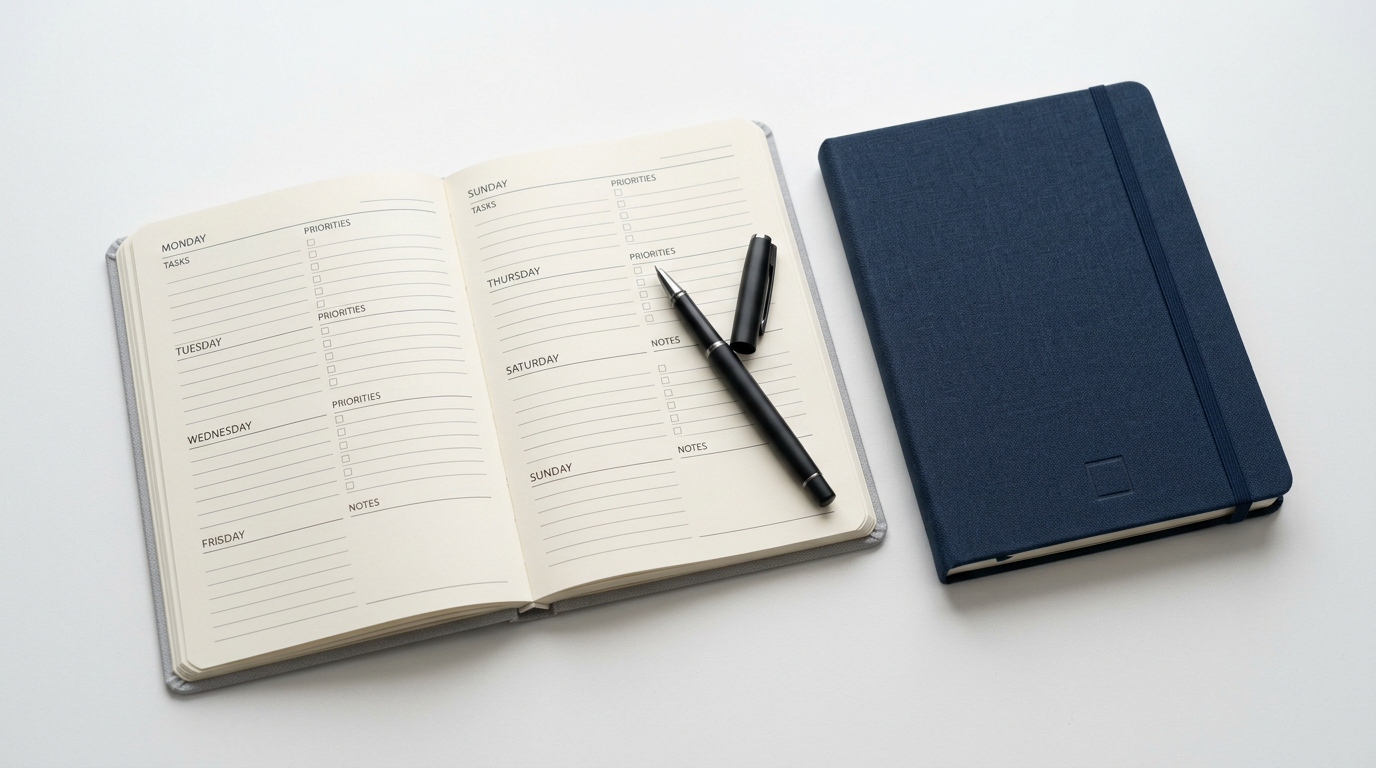
The thing paper does that no app does is sit in your line of sight without being clicked into. A deskpad or desk calendar is a planning surface that's permanently visible while you work, which makes it useful for the kind of thinking that benefits from glance-not-search.
What works:
- A structured deskpad with a sensible daily or weekly layout. The right one becomes the place where you write today's actual priorities, as opposed to the ninety things your task app has decided are urgent. Not a notepad. A structured surface.
- A desk calendar for the month-ahead view. Apps do this poorly because you're always one click from being elsewhere. Paper just shows you.
What doesn't work as well as the marketing suggests:
- Generic branded notepads given out at trade shows. These end up at the bottom of a drawer.
- "Productivity systems" sold as branded stationery bundles. The system matters more than the paper it's printed on.

2. Documentation tools for trades, services, and on-site work
The case for paper documentation in trades and services isn't sentimental. It's that the alternative often doesn't work in the actual environment. A plumber under a sink with wet hands isn't navigating to the right screen. A delivery driver in the rain isn't waiting for a connection. A site supervisor isn't fiddling with a touchscreen wearing gloves.
What works:
- NCR pads, sets, and books. Carbonless duplicate paper for invoices, job sheets, delivery confirmations, service records. Two or three layers, instant copy, no app required. For service-based businesses doing on-site work, these are still the cheapest, most reliable documentation tools available.
What doesn't:
- NCR books for office-based businesses that already have proper invoicing software. You don't need them. They're solving a problem you don't have.
3. Presentation moments where physical material does what digital can't
Some business interactions are physical by nature. Handing over a card, sending a package, writing a thank-you note to a client. The print used in these moments isn't replacing digital communication; it's doing something digital can't.
What works:
- Business cards that match the business. Still the most reliable way to leave a tangible reminder of a conversation. Worth getting right; we've written about the paper weight specifically for anyone wanting the spec detail.
- Compliment slips with package deliveries or invoices. A handwritten line on a quality compliment slip is more memorable than any automated email, and costs about ten pence to send.
- Branded letterheads for formal correspondence. Legal letters, official quotes, anything that benefits from looking serious. They earn their place when seriousness is part of the message.
What doesn't:
- Branded calendars sent to clients en masse. Most are recycled by mid-January. If you want client retention, send fewer, better, more personal things.
- Generic notepads with the logo on them. Same problem. Nobody remembers a free notepad.

When paper doesn't help
The honest part. Paper isn't always the answer.
If your team is fully remote and async, daily planning surfaces have less leverage because there's no shared physical workspace to anchor them. If your business is purely digital and customer interactions happen entirely through screens, the case for branded print material is weaker, and the spend is better directed at the digital touchpoints customers actually see.
The risk with stationery is that it's an easy line item to over-order. It feels productive to spec a full branded suite, but if a third of it ends up in a cupboard, it didn't earn its place.
What to actually order
For an office or service business setting this up properly, the sensible starting list is short:
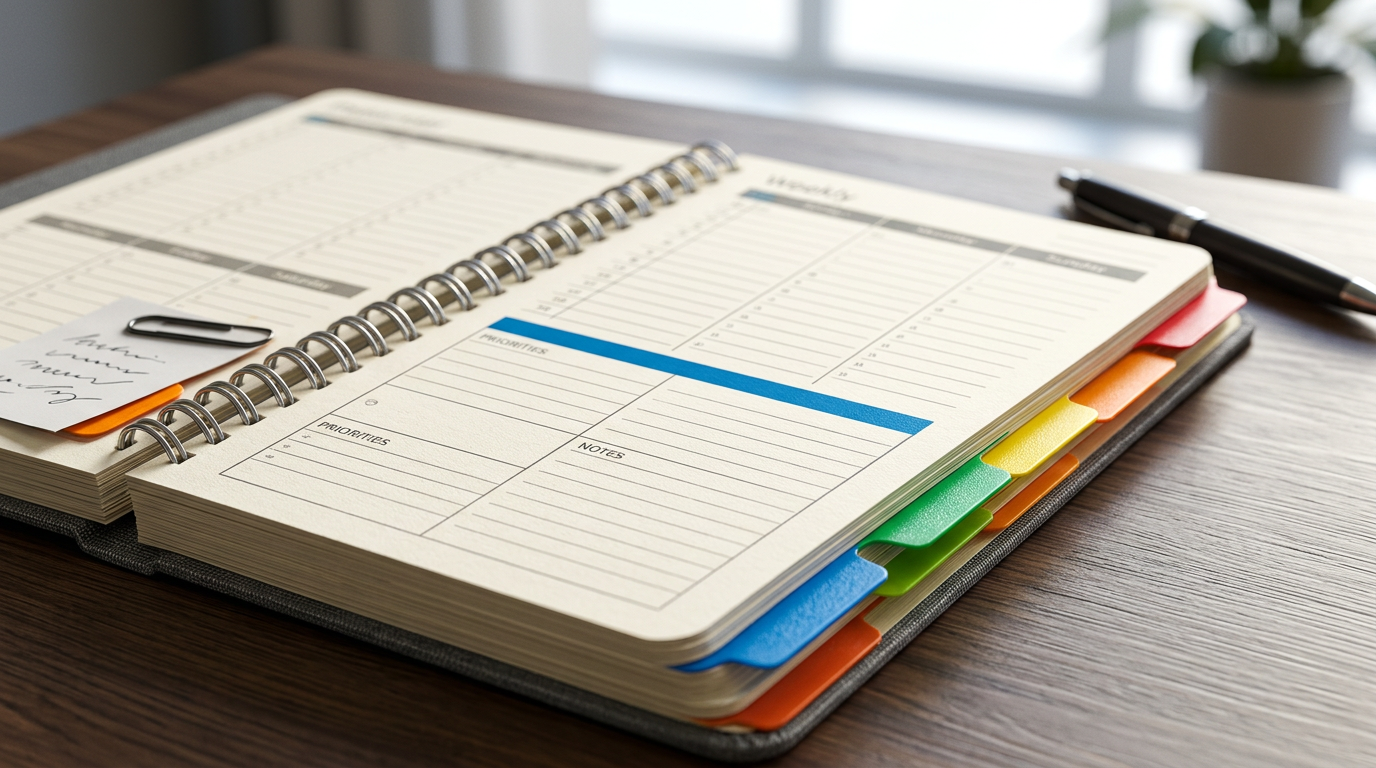
- A structured deskpad per desk that gets used for daily planning.
- A desk calendar if scheduling at a glance matters for the team.
- NCR pads, sets, or books if there's on-site documentation work happening regularly.
- Business cards that match the standard the business wants to be held to.
- Compliment slips for outbound packages and correspondence.
- Letterheads if the business sends formal correspondence frequently.
Everything else is optional and depends on specifics. The order, not the volume, is what gets the value out of the spend.

What we do at Printlogik
We supply office stationery to UK businesses across the range above. The bit we care about most is matching what gets ordered to what actually gets used. Most stationery orders we see are bigger than they need to be, with items printed in volumes that won't be used. That's not a print problem. It's a brief problem.
If you're putting together a stationery order and you want a second opinion on what's actually worth the spend, drop us a message before ordering. We'd rather get the brief right once than reprint it later.
The point of business stationery isn't to look like a business that uses stationery. It's to support the bits of work that benefit from it, and let the rest go.