A story you can read in thirty seconds, printed on something you can hold.
That's micro-fiction: very short stories, usually a few hundred words or fewer, built around one moment or one idea. Writers have been doing it for years. What's changed is that more publishers, venues and brands are putting it on paper, because a tiny story in print does something a scrolling feed can't. It makes people stop.
Why it works on paper
Short stories ask very little of the reader. No commitment, no sign-up, no "continue reading". That's what makes them work in places where people only have a moment: a café table, a gallery wall, a parcel they've just opened.
Print adds the rest. A good card or booklet feels like an object worth keeping. The paper, the type and the space around the words slow the reader down, and with a story this short, every word is doing work. People hold on to small printed things. They prop them on desks and pass them on.
Where we see it used
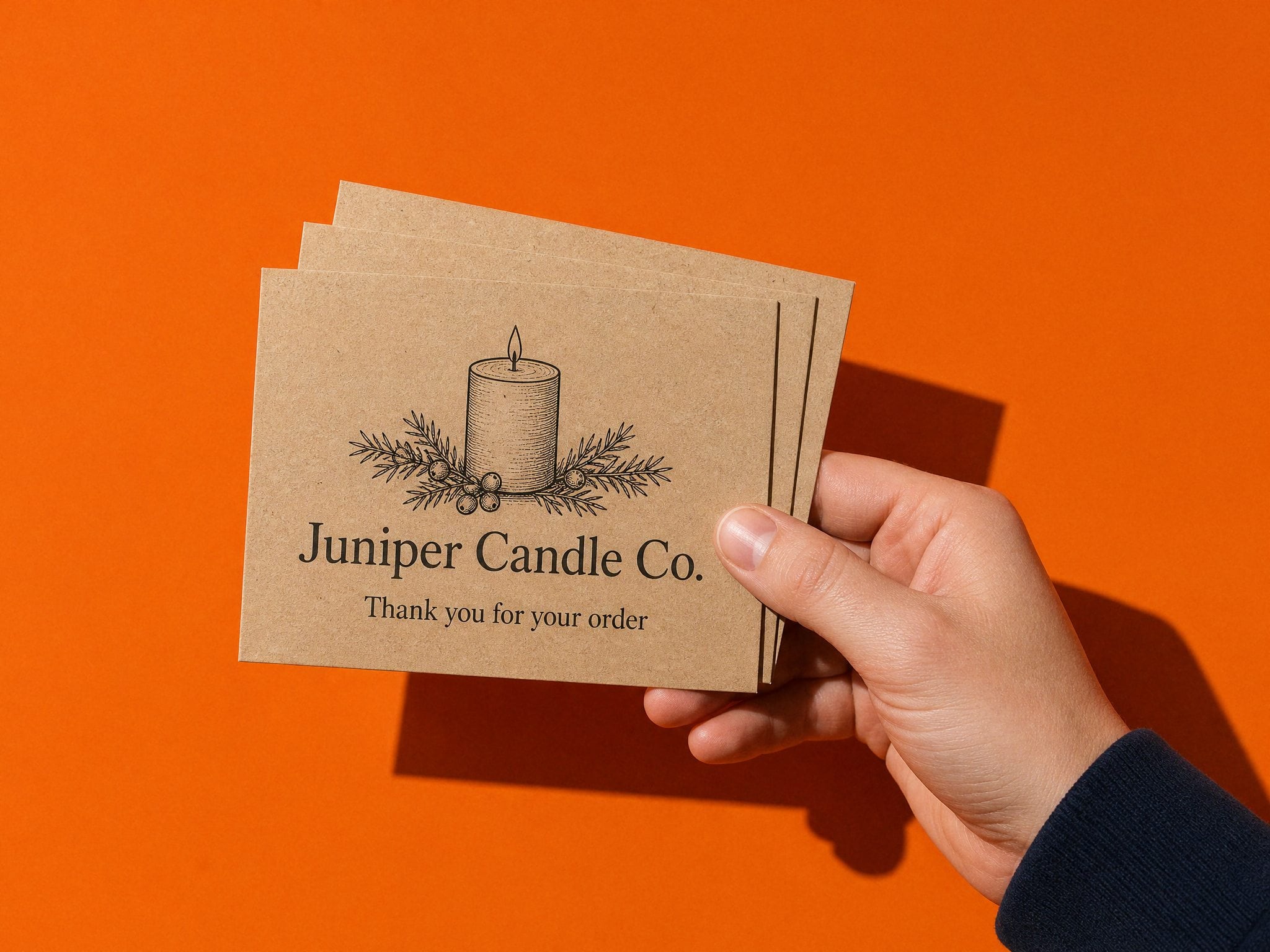
- Story cards and postcards. One story per card, often as a set. Writers sell them at fairs, shops give them away, and they slip easily into an envelope.
- Small booklets. A handful of very short pieces in a stapled booklet. Cheap to produce in small runs, which suits independent publishers and writing groups.
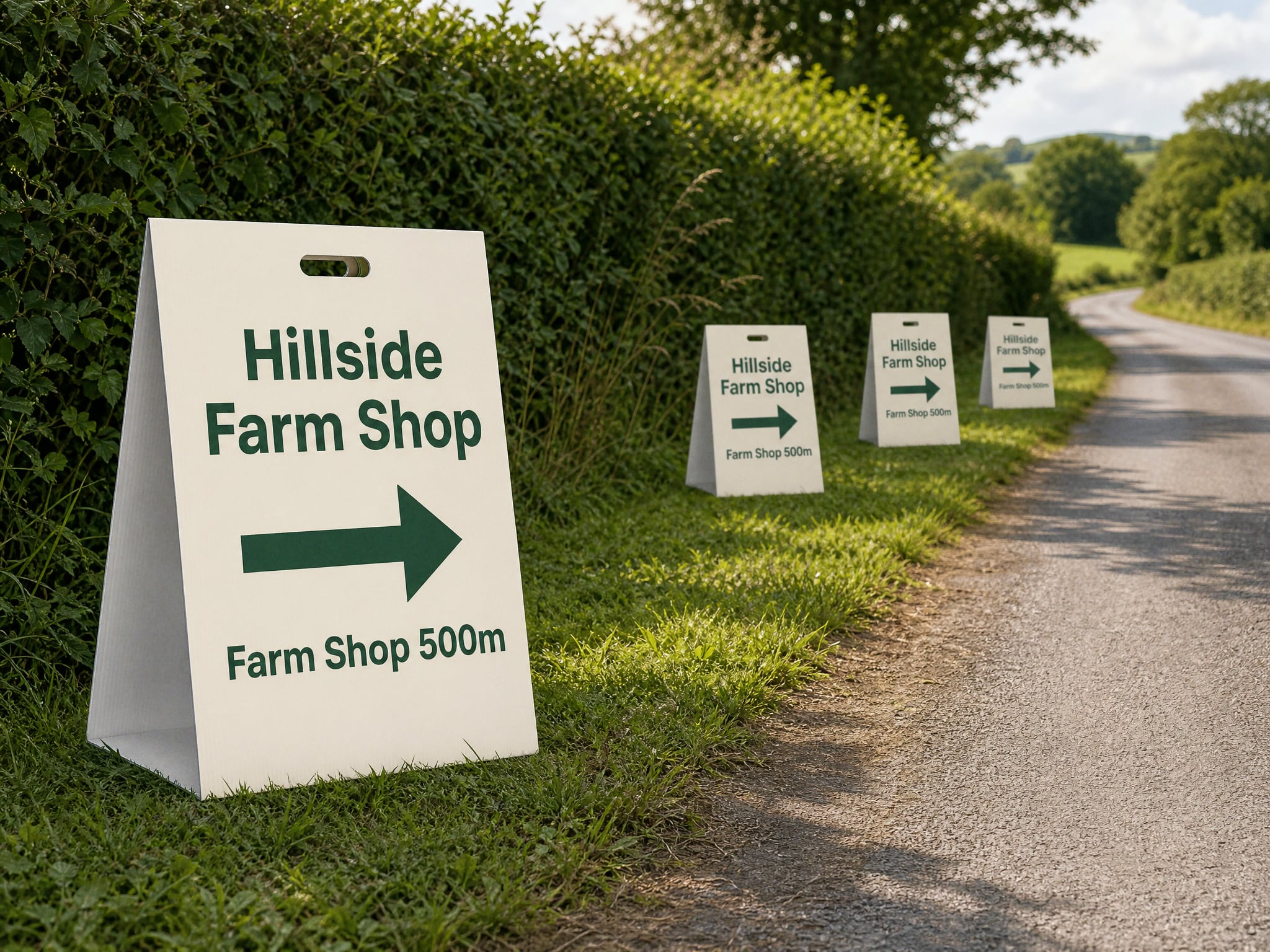
- Displays and installations. Stories printed large on posters or panels in libraries, galleries, stations and festivals, where people read them in passing.
- Brand storytelling. A short story printed on a card in a parcel, on a menu, or on a till-point display. Done well, it tells people what a business is about better than a list of features.
Choosing the format
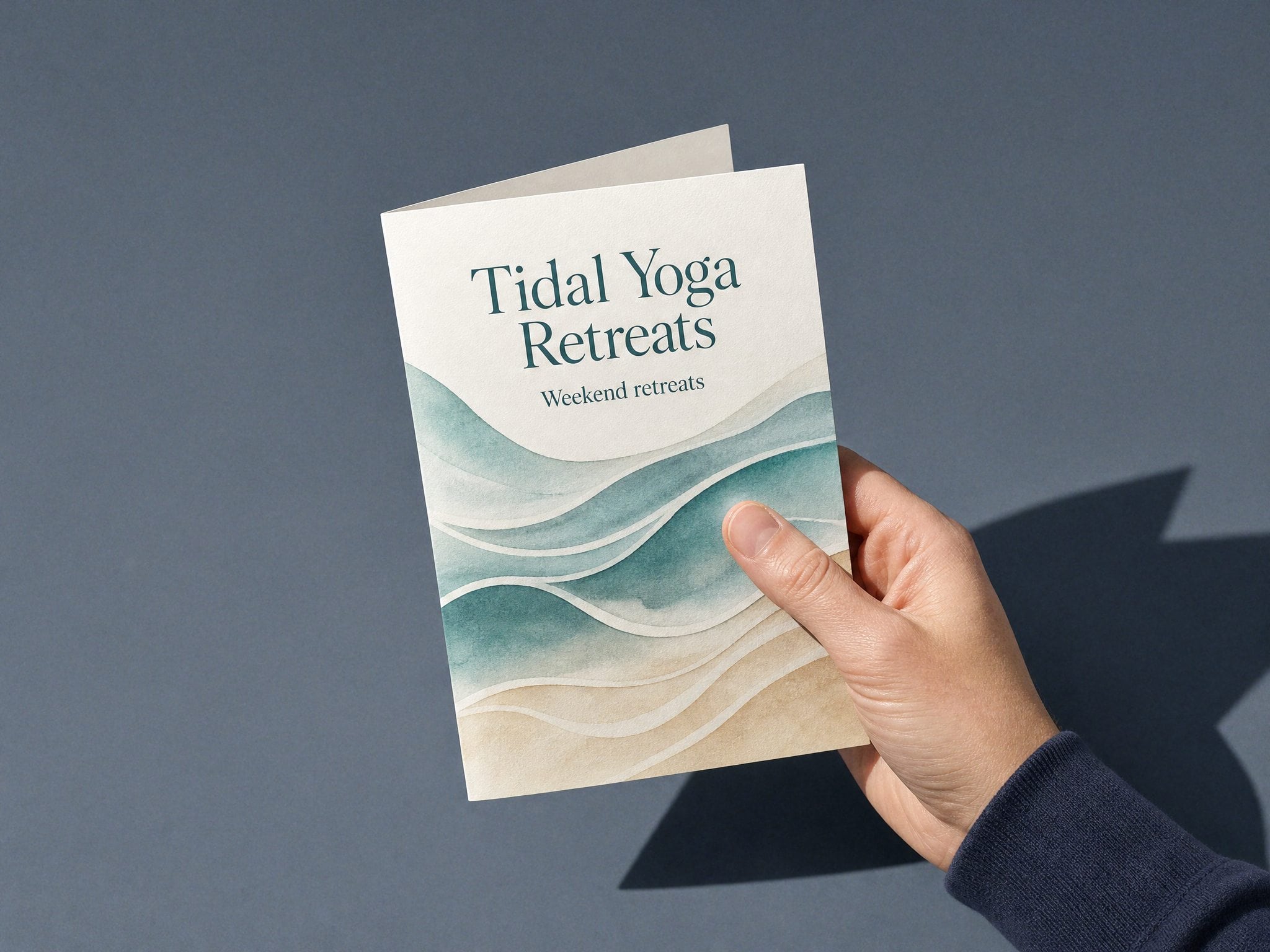
For something people keep: postcards or folded cards on a heavier, uncoated stock. They feel good in the hand and take ink beautifully.
For a collection: a saddle-stitched booklet. Plan the page count in multiples of four, and keep one story to a spread if you can, so nobody turns the page mid-sentence.
For a wall or an event: posters for one story at a time, or a display panel for several. Think about where people will stand and how long they'll have.
Setting it up for print
- Let the words breathe. Generous margins and line spacing do more for a short story than any decoration.
- Size the type for the reading distance. A card is read at arm's length. A poster is read from a couple of metres away, so the type needs to be much bigger than you think.
- Pick a stock that suits the tone. Uncoated paper feels warm and bookish. Silk is crisper and holds photos better.
- Proofread twice, out loud. In a story this short, one typo is a big share of the words.
- Bleed and safe area. Run backgrounds 3mm past the edge and keep text a few millimetres inside the trim.
We check every file by hand before it prints, so if the type is too close to the edge or a picture is low resolution, we'll tell you first.
The short version
Micro-fiction works in print because it's small, quick and worth keeping. Choose a format that matches where people will read it, give the words room, and treat the paper as part of the story.