"Demographics" sounds like something a marketing department with a research budget worries about.
It isn't. If you run a small business, you already know most of your demographics. You just haven't written them down. And writing them down is what stops you printing 5,000 flyers for the wrong people.
What demographics actually are
Demographics are the facts about a group of people that you could put in a spreadsheet: age, where they live, what they earn, whether they have children, what they do for work.
They sit alongside something marketers call psychographics, which is the softer stuff: what people care about, what they're worried about, how they spend their weekends. Demographics tell you who. Psychographics tell you why. You need a bit of both, but demographics are the easier place to start because you can see them.
The ones that matter for a small business
You don't need a long list. For most local businesses, four do nearly all the work.
- Location. Where your customers live or work. For a café, a salon or a trades business, this matters more than anything else. It decides which streets get the letterbox drop and which noticeboards are worth a poster.
- Age. Not to the year, just the band. It shapes the tone of your copy, the size of your type and where people are likely to see your message.
- Life stage. New parents, students, people who've just moved, people who've just retired. Life changes are when people look for new suppliers, so they're often worth more than age.
- Business or household. If you sell to other businesses, the useful facts are size, sector and who makes the decision. "Office manager at a 20-person firm" is a demographic too.
Income, education and the rest can matter, but only if they genuinely change what you'd say or where you'd say it. If they don't, leave them out.
How to find yours without a research budget
You've got more data than you think.
- Your orders and bookings. Postcodes alone will show you where your customers actually come from, which is often not where you assumed.
- Your regulars. Think about your ten best customers. What do they have in common?
- Your website and social analytics. Both will show you rough age bands and locations for free.
- Your enquiries. What people ask tells you what stage they're at.
Write what you find on one side of A4. If it takes more than a page, you've gone too far.
Turning it into print decisions
This is the bit that pays for the effort. Once you know roughly who you're talking to, the print choices make themselves.
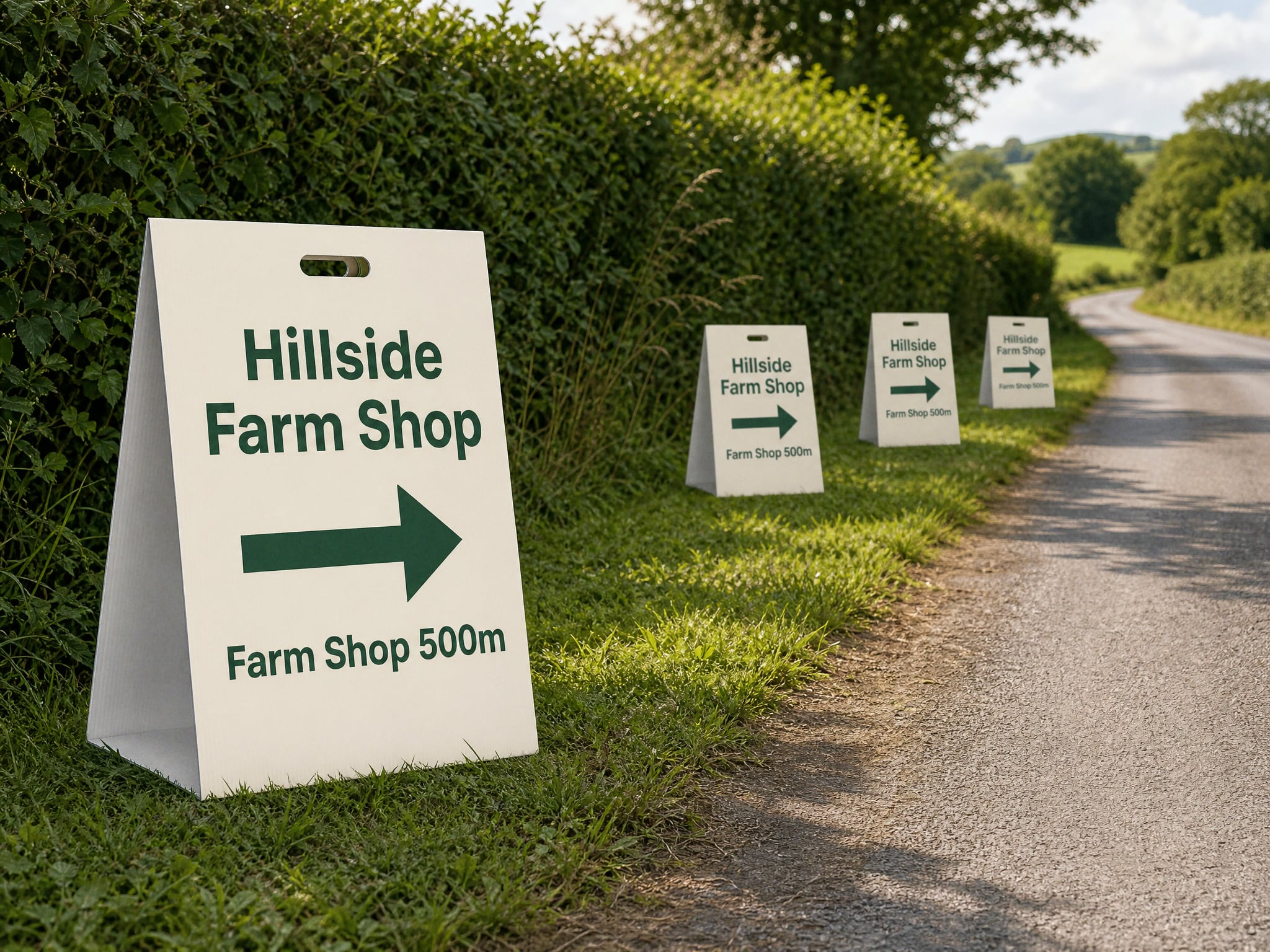
Where it goes. If most of your customers live within two miles, a DL flyer through those letterboxes will do more than a city-wide campaign. If they're commuters, the station and the coffee queue matter more than their front doors.
What it says. A flyer for new parents and a flyer for retirees can sell the same service and still need different headlines, because they care about different things.
How it looks. Older readers appreciate bigger type and more contrast. Busy readers want the offer in the first line. Nobody wants to squint.
How many you need. Knowing the size of your real audience stops you over-ordering. A smaller, well-aimed run beats a big, vague one.
Where it goes wrong
Targeting everyone. "Anyone who needs a cleaner" isn't an audience. "Busy households within three miles who've just moved in" is.
Leaning on stereotypes. Demographics tell you where to look, not what someone is like. Two 35-year-olds in the same street can want completely different things. Use the facts to narrow down, then talk to people like people.
Setting it once and forgetting it. Your customers change as your business does. Look again every six months or so.
The short version
Know roughly who your customers are, where they are and what stage of life they're at. Write it on one page. Then let it decide where your print goes, what it says and how many you order. That's demographics, done properly, for a small business.