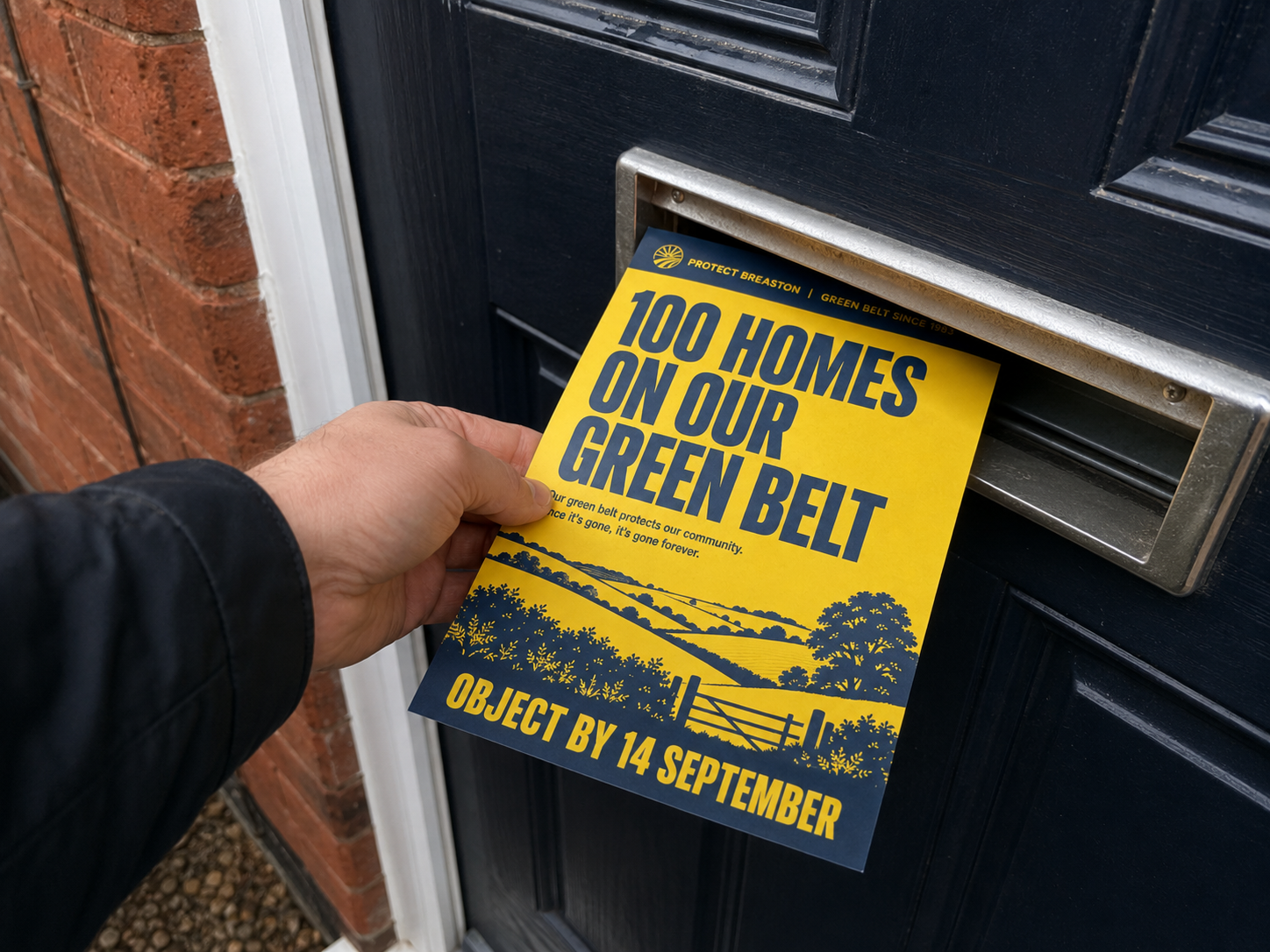

Most "eco" print is dressing up.
That sounds harsh, but it's the most useful starting point. A lot of what gets sold under the sustainability banner in print is one decision (recycled stock, FSC certification, a tree planted) presented as a complete solution. It isn't. Print has a real environmental cost. It comes from materials, production, transport, and waste, and reducing it means working on all four of them, not picking the most marketable one and calling it green.
If you're a small business owner trying to make sensible choices, the noise around this is genuinely confusing. Here's what's actually worth caring about.
What the impact actually is
Print has a footprint. We're not going to pretend otherwise. Every printed item involves paper (which came from somewhere), ink (which has its own chemistry), energy (to print and finish), and logistics (to get it to the customer).
Most of the impact sits in two places: the material itself and the production process. The material is where paper sourcing matters most: was it virgin pulp from a poorly managed forest, or recycled, or FSC-certified stock from sustainably managed land? The production is where ink chemistry, energy use, waste management, and finishing decisions stack up.
Tree planting, offsets, and end-of-life packaging are real contributions to a wider footprint, but they sit at the end of the chain. They don't undo what came before. They reduce the net.
What actually moves the needle
Three things, in rough order of impact.
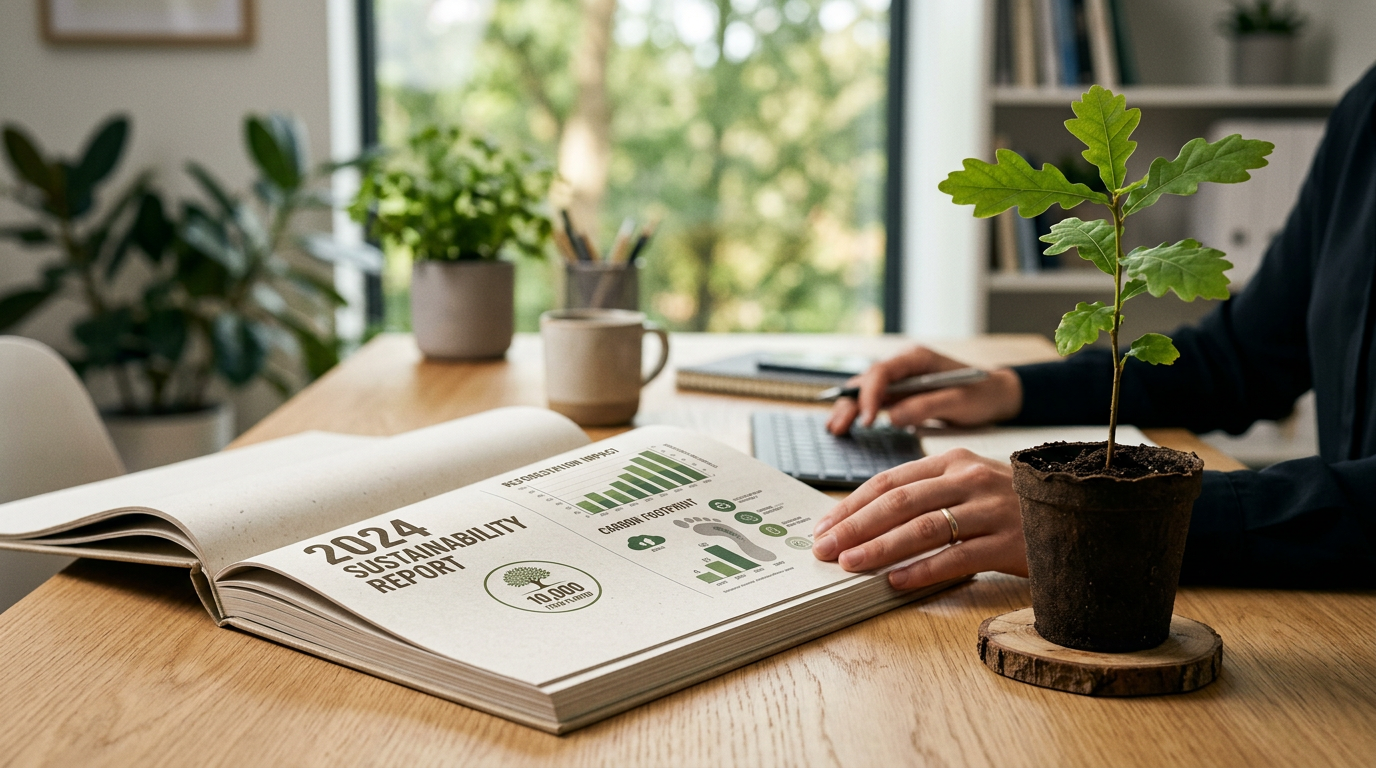
Recycled and FSC-certified stocks. This is the biggest single decision. Switching from virgin pulp to recycled (or to certified, sustainably sourced virgin) is the lever with the most leverage. Recycled stocks have come on a lot in the last few years. The print quality holds up, the tactile feel is often a positive (slightly more grain, less plastic finish), and the environmental case is real and verifiable. Recycled flyers and recycled business cards are good places to start if your runs are mostly marketing print.
Vegetable-based inks and lower-waste production. Switching ink chemistry away from petroleum-based blends reduces the chemical load in production and at recycling. Combined with print processes that minimise plate waste, paper waste, and offcuts, the impact compounds across the runs you do every year.
Honest logistics and quantity. Ordering 5,000 flyers when you'll use 2,000 is the easiest way to undo the environmental gains from every other decision you made. Smaller, better-targeted runs printed locally beat large speculative runs printed cheaply elsewhere, almost every time.
Tree planting comes after these. Not instead of.
Where tree planting actually fits
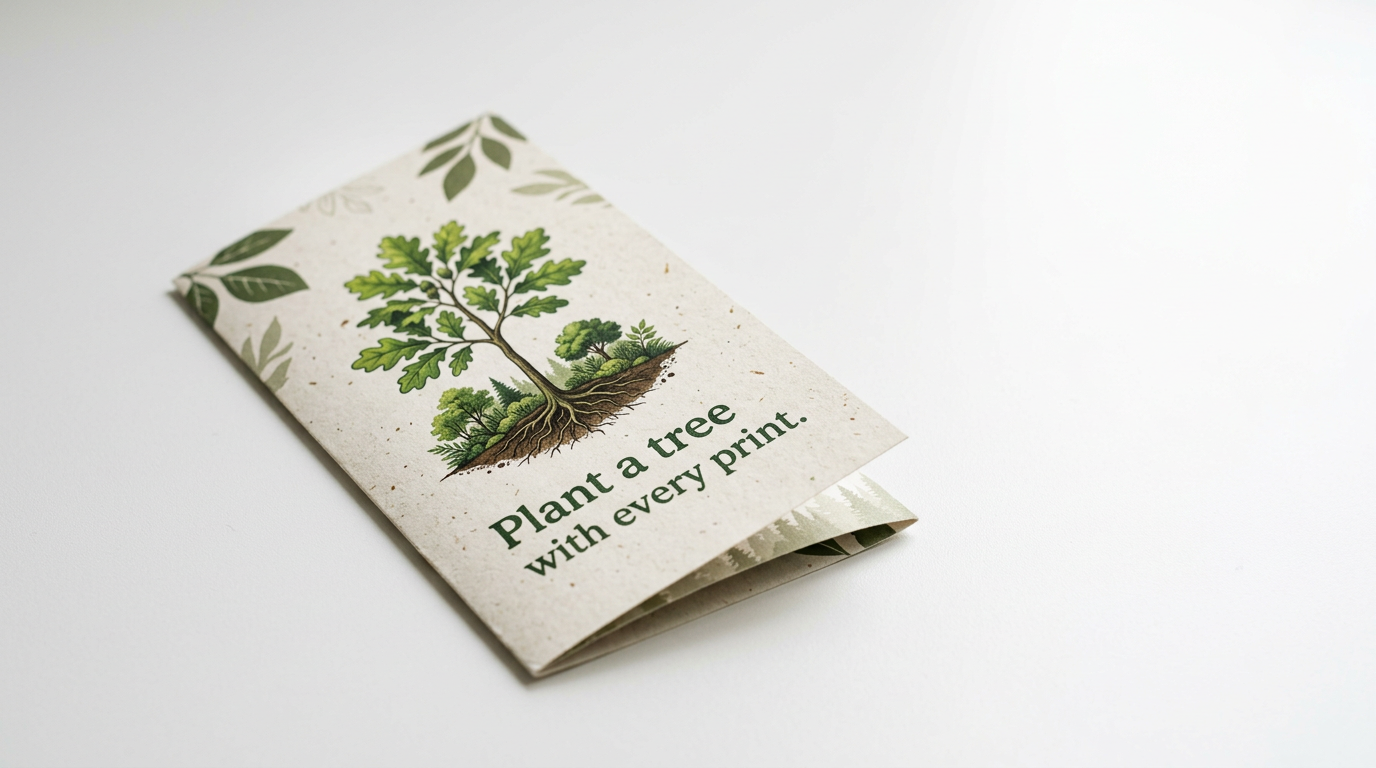
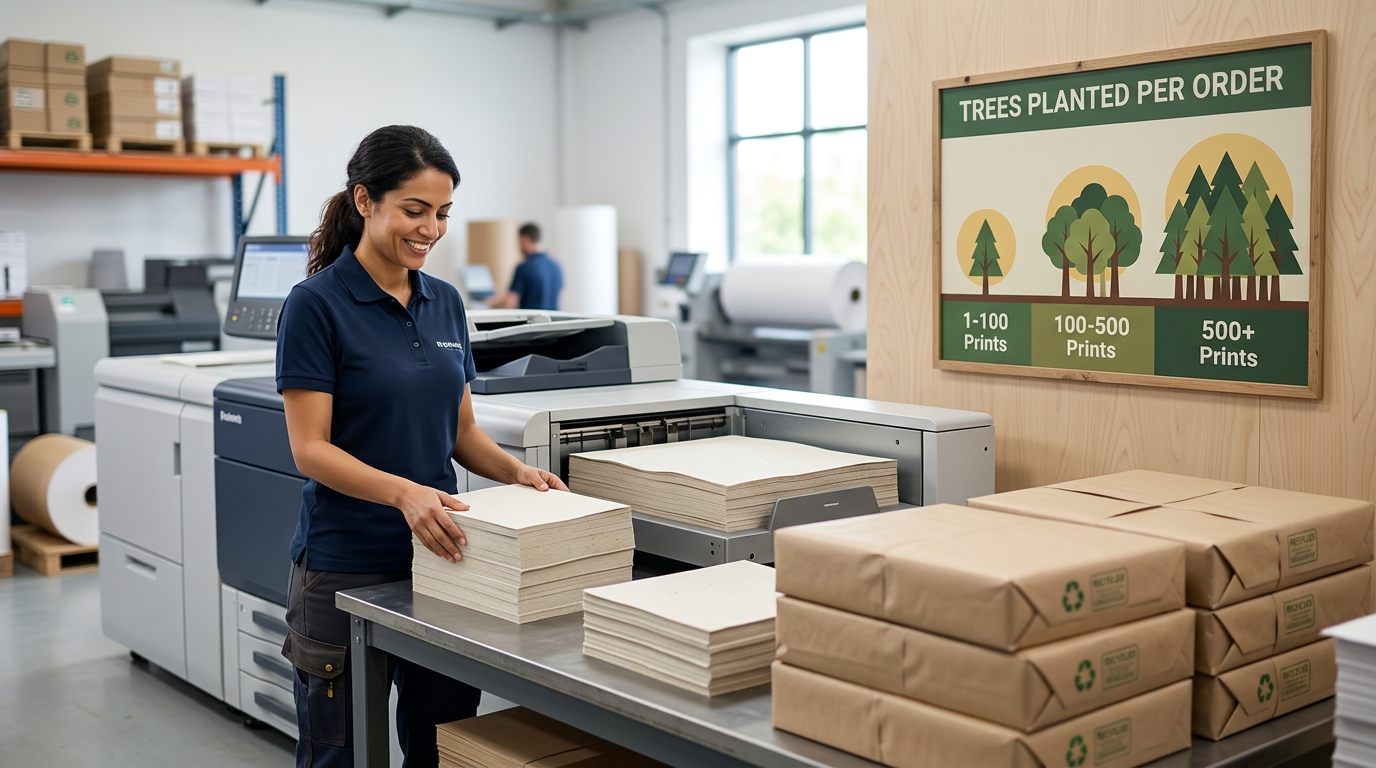
We plant a tree with every Printlogik order through our Print A Tree project, in partnership with Ecologi. We're proud of it. We also won't pretend it does more than it does.
A planted tree takes years to grow into the carbon sink it eventually becomes. It's a real, measurable, verifiable contribution to wider environmental restoration. It is not a magic eraser for the footprint of a print run that happened today. It's one piece, stacked alongside material choices, production methods, and lower-waste decisions.
The way to spot the difference between real and performative is simple. Real programmes acknowledge they're part of a bigger picture. Greenwashing usually claims to be the whole picture.
What to look for in a print partner
If you actually care about this, here's what to check.
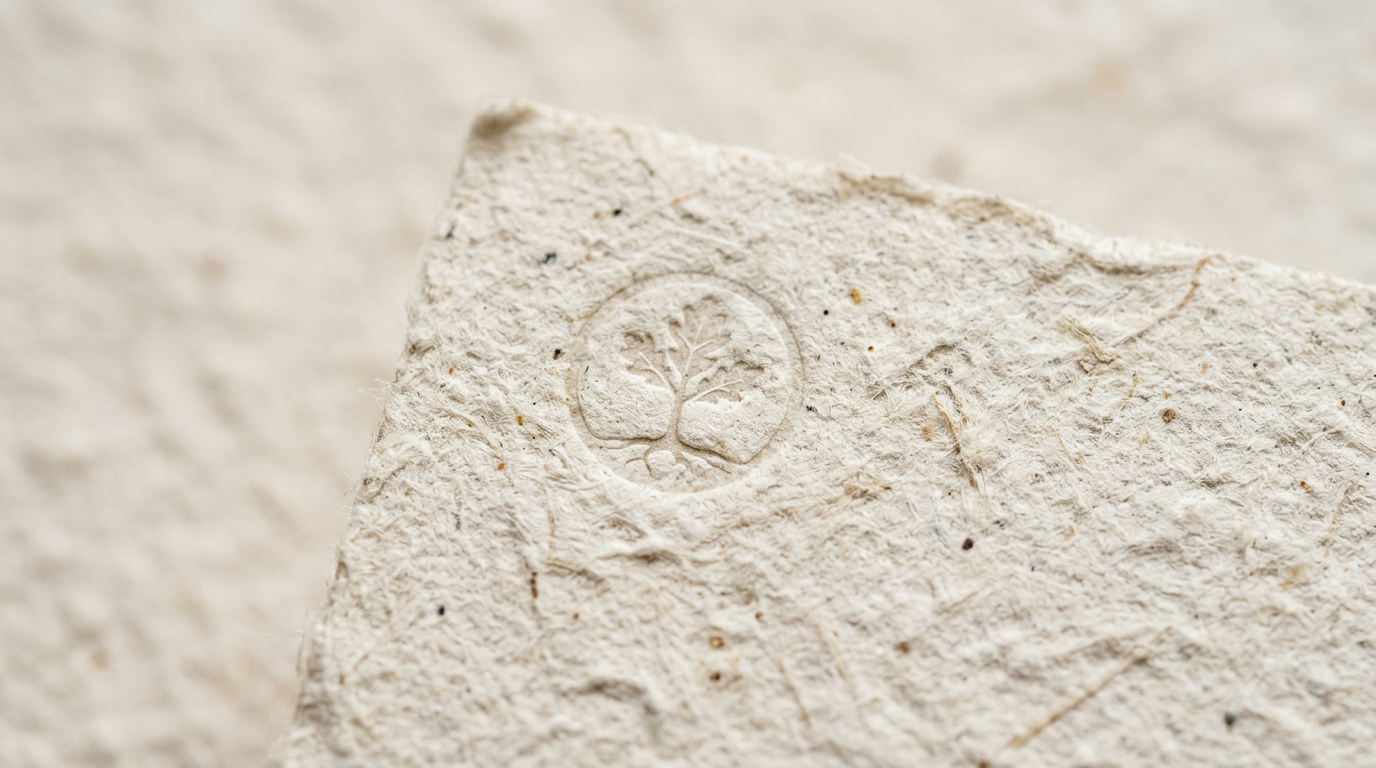
Are the materials specified, not vague? "Eco-friendly paper" is a phrase that means nothing on its own. FSC-certified, post-consumer recycled, percentage of recycled content, all of these are specifics that tell you what you're actually buying.
Are the inks specified? Vegetable-based, soy-based, or named ink chemistry tells you the production has been thought about. "Low-impact" without further detail is a phrase without teeth.
Is the offset programme verifiable? Ecologi-backed, Eden Reforestation Projects, a named partner with a public reporting record. Vague "we plant trees" claims with no partner named are usually not what they look like.
Is the partner honest about the limits? This is the easiest filter. A print supplier that admits print has an environmental cost and explains specifically what they do about it is more trustworthy than one that claims to be "green" without qualification.
What we do at Printlogik
We don't pretend to be a "green" company. We do the following.
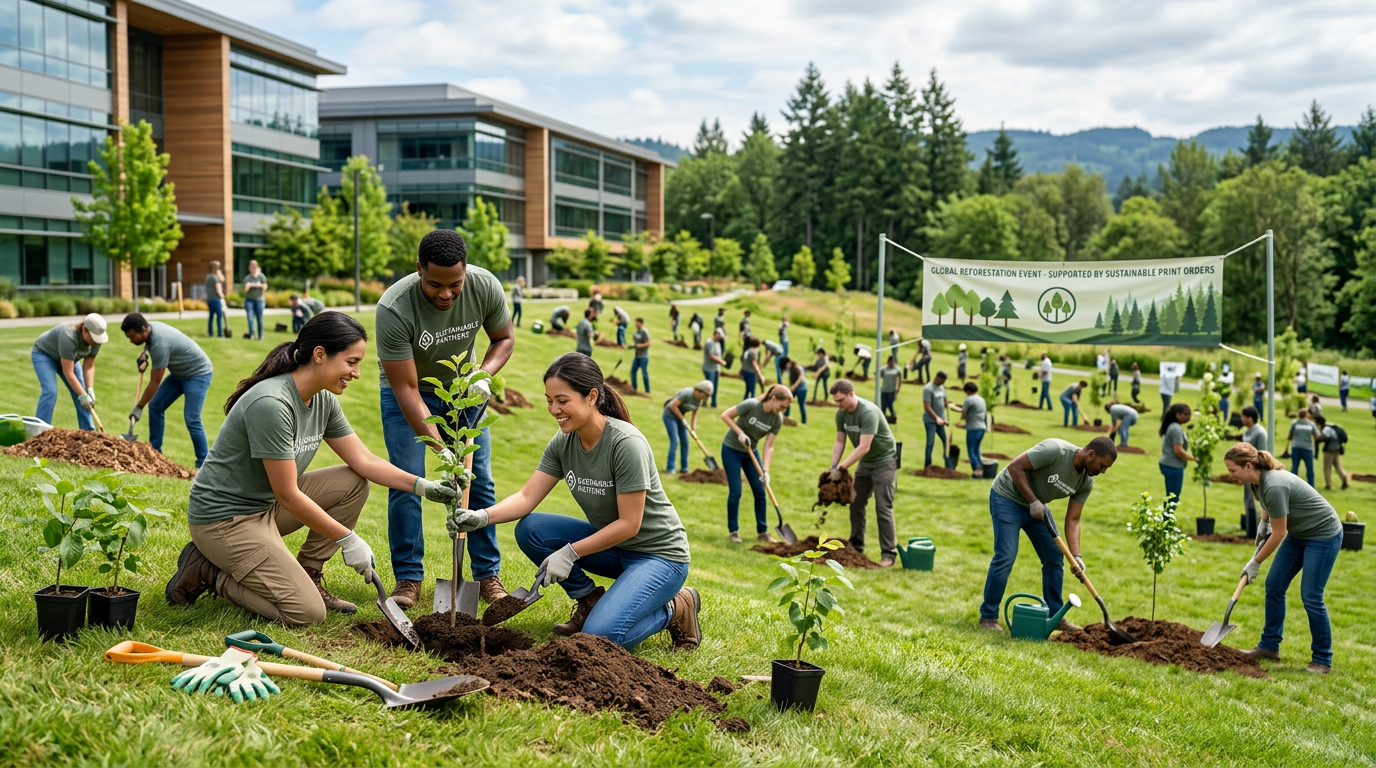
Recycled and FSC-certified stocks across the range, including business cards, flyers, and most marketing materials. Vegetable-based inks where the print process supports them. Production techniques chosen partly for their environmental footprint. A planted tree with every order through Ecologi, with verifiable reporting. Transparency about what these things do (real contributions to a wider effort) and what they don't (offset everything to zero).
We'd rather be honest about being part of an industry with a real footprint and explain specifically what we do to reduce ours, than dress it up as something it isn't.
What this means for your next print order
If you want to print more responsibly, you don't need to go to extraordinary lengths. You need to make a few sensible choices.
Order from a partner who specifies their materials and inks. Choose recycled stock unless there's a reason not to. Order what you'll use, not what you might use. Look for verifiable offset programmes rather than vague green claims. Ask the questions; the answers (or the lack of them) will tell you what you need to know.
That's not a marketing claim. It's the work behind one.