Industry Advice

/

April 19, 2026

C-Type Photo Prints UK: What They Are and Why Professionals Choose Them

If you've been searching for the best standard in professional photo printing, C-type photo prints in the UK represent a benchmark that photographers, galleries, and studios have trusted for decades.

Blog Image

Digital C-Type printing systems can reproduce more than 16 million colours within a single square inch, which is why professionals consistently reach for this process when the work demands absolute colour accuracy and longevity.

Key Takeaways

What is a digital C-Type print?

A C-Type (chromogenic) print is produced by exposing light-sensitive silver halide photographic paper to RGB lasers, then chemically processing it. It is not inkjet-based.


What does C-Type mean in photography?

C-Type stands for Chromogenic Type. The "C" refers to the chemistry-based colour development process used to form the final image in the paper's emulsion layers.


How long do C-Type prints last?

Up to 56 years on display in museum conditions, and up to 100 years in dark, controlled storage. Proper framing significantly extends this further.


What is the difference between C-Type and inkjet prints?

C-Type uses laser light and chemical processing on photographic paper. Inkjet (Giclée) sprays microscopic ink droplets onto paper or canvas. C-Type gives a true continuous tone; inkjet produces a dot-based image.


What is Fuji C-Type photo printing?

Fuji C-Type uses Fujifilm's professional silver halide photographic paper, available in Gloss, Matt, Pearl, and Flex finishes. It is one of the most trusted papers in professional photo printing in the UK.


Is C-Type the same as Giclée?

No. A C-Type print is a silver halide, chemically processed photograph. A Giclée is a high-quality inkjet print. They suit different purposes, budgets, and archival requirements.


Where can I order C-Type photo prints in the UK?

You can order professional Fuji C-Type photo prints from Printlogik, with a choice of Gloss, Matt, Pearl, and Flex paper finishes.


What Is a Digital C-Type Print? A Clear, Simple Explanation

A digital C-Type print, also called a chromogenic print, is a photograph produced by exposing light-sensitive photographic paper to RGB laser light and then developing it through a chemical process.

Unlike inkjet printing, there is no ink involved at all. The image is formed within the paper's own emulsion layers, which is precisely why the result looks and feels like a traditional photograph rather than a printed document.

The name itself comes from two places: "C" refers to the chromogenic (colour-forming) chemistry, and "Type" simply indicates the category of photographic paper used. If you've ever held a professional photograph and marvelled at how smooth and continuous the tones feel, you've most likely held a C-Type print.

The key point: A C-Type print is a true photographic print, not a digital print in the conventional sense. The digital element is simply how the image file is exposed onto the paper. Everything after that is pure chemistry.

Blog illustration


The Science Behind C-Type Prints: How the Process Actually Works

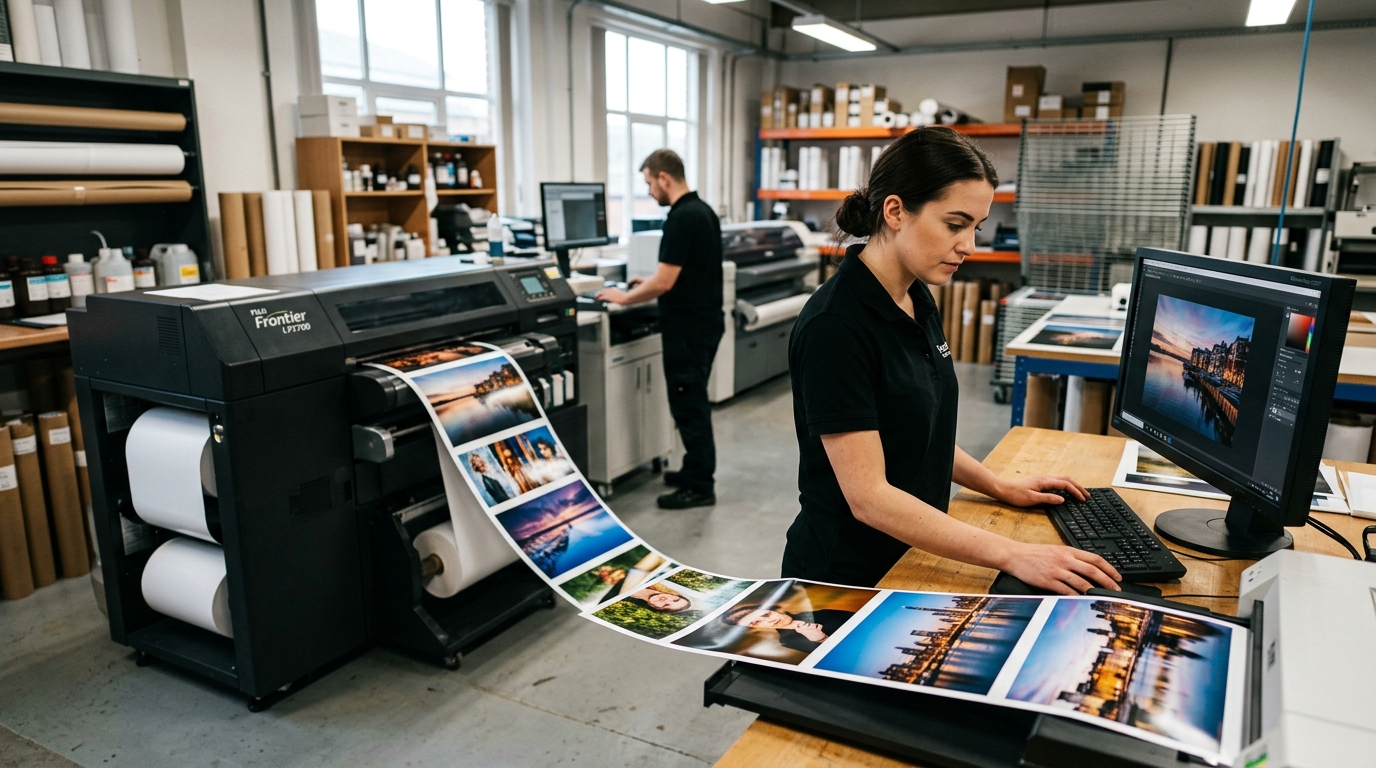
Understanding the process helps explain why professionals trust it so completely. C-Type systems use a 3-laser RGB exposure system (Red, Green, Blue) to create a latent image in light-sensitive silver halide crystals embedded in the paper.

Once exposed, the paper goes through a chemical development process. The silver halide crystals that were struck by light react to form a stable, full-colour photographic image locked permanently within the paper's emulsion layers.

This is a fundamentally different process from inkjet printing, where liquid ink is deposited on the surface of paper or canvas. With C-Type, the image is inside the paper, not sitting on top of it. That distinction matters enormously for how the print looks, ages, and performs.

The result is what professionals call a true continuous tone image, with no visible dot pattern, no texture from ink droplets, and no risk of the surface being disturbed or smudged.

Did You Know?

The digital C-Type process produces an output equivalent to 4,000 dpi resolution, providing ultra-sharp, true continuous tone images without any visible dot patterns found in inkjet prints.


C-Type Photo Prints UK: The Fuji Paper Options That Matter Most

Not all C-Type prints are the same. The paper you choose has a direct impact on how the final image looks, how it feels in the hand, and how well it suits the environment it's being displayed in.

At Printlogik, we offer four Fuji photographic paper options for our C-Type photo prints in the UK. Each one has distinct characteristics worth understanding before you order.

Fuji Gloss
Fuji Matt
Fuji Pearl
Fuji Flex
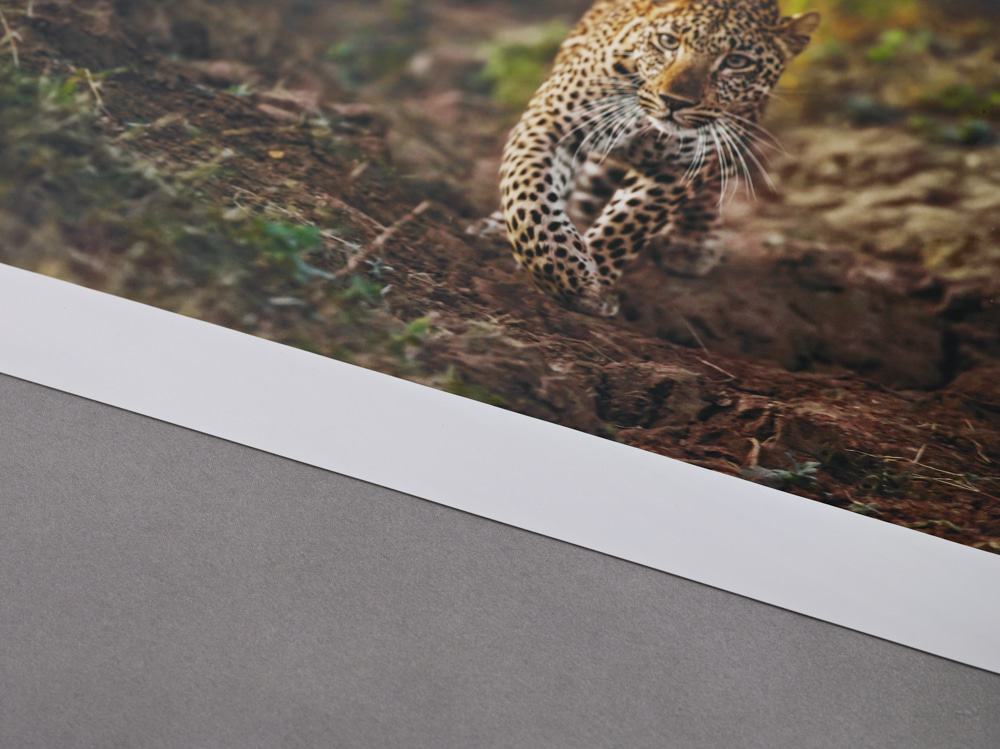
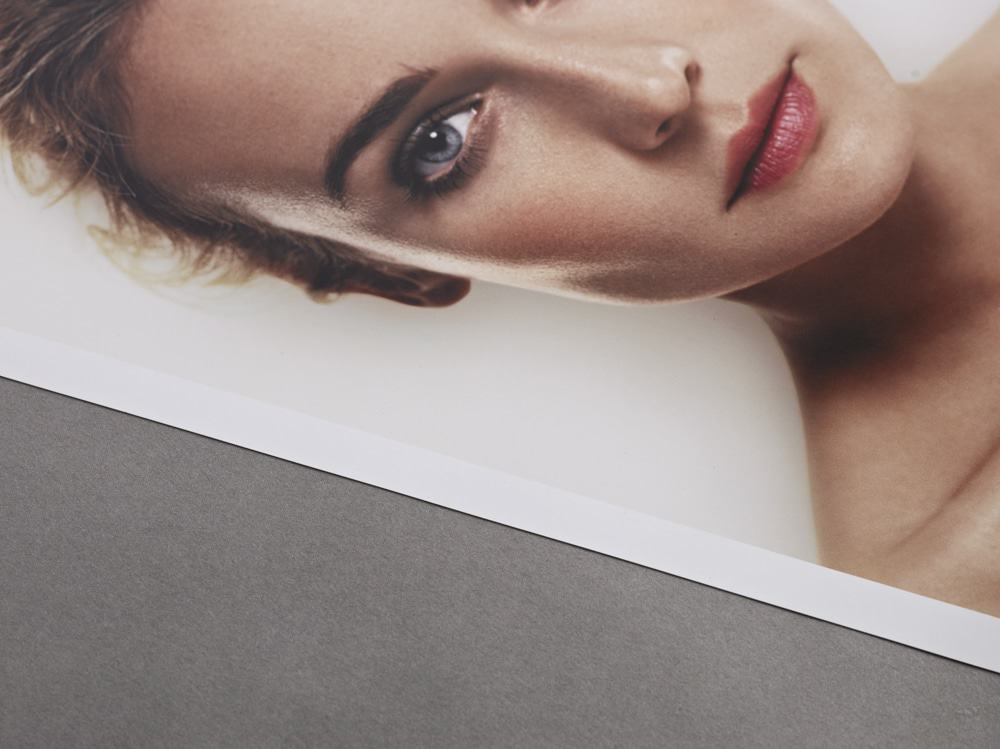
  • Fuji Gloss: The classic choice. High-impact colour saturation and sharp contrast. Best for portraits, commercial photography, and any image where depth and vibrancy are priorities.
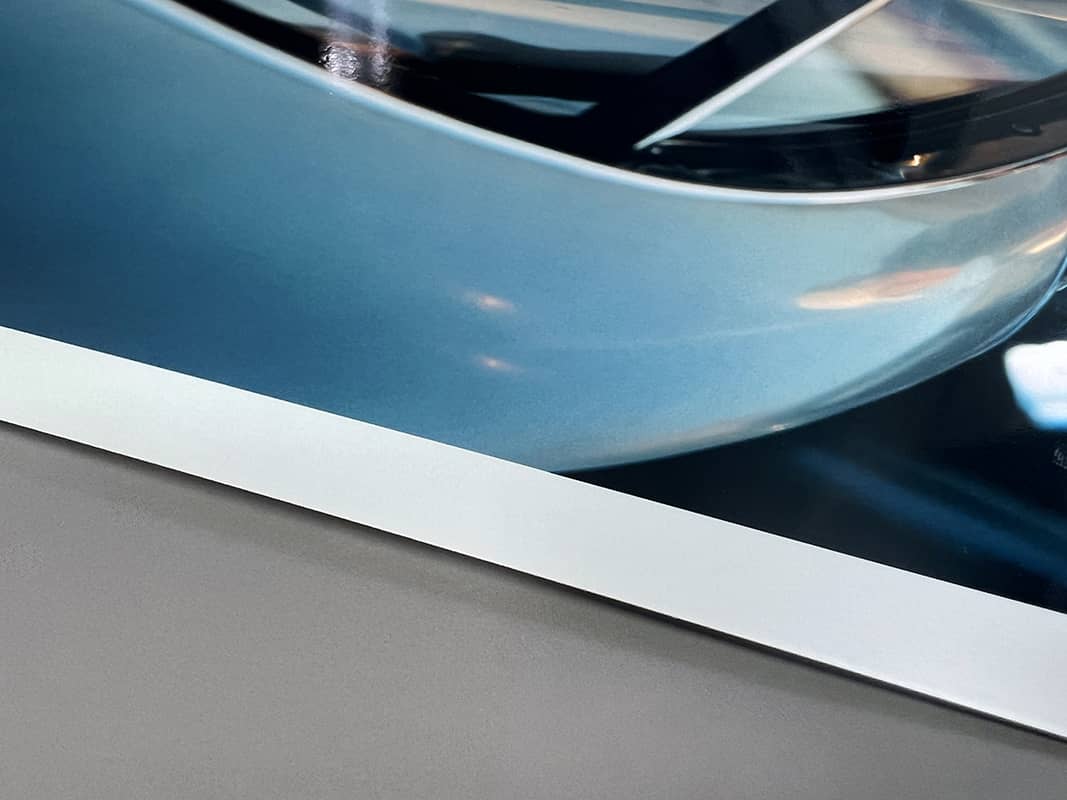
  • Fuji Matt: Reduces reflections and glare significantly. The practical choice for prints displayed under direct or artificial lighting. Popular with interior designers and residential clients.
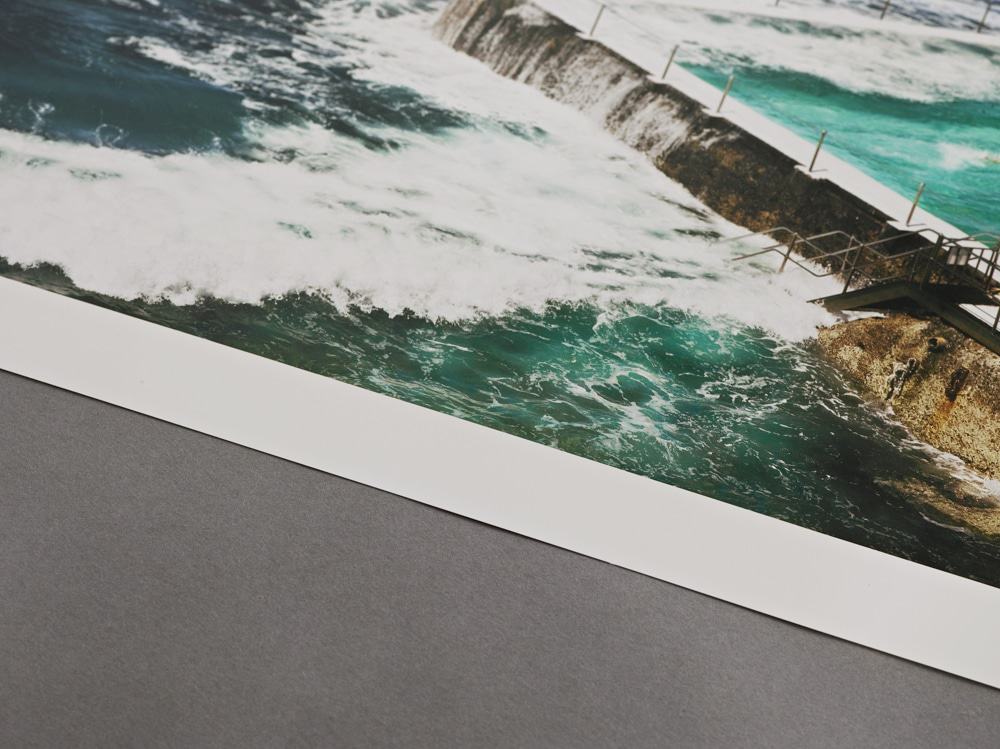
  • Fuji Pearl: A semi-gloss finish with a subtle texture. Sits between Gloss and Matt, offering enhanced detail rendering with reduced surface glare. A consistent favourite in fine art photography.
  • Fuji Flex: Printed on a flexible, thin base rather than the standard resin-coated board. Ideal for backlit displays, stretching over frames, or any application where rigid substrate isn't practical.

Choosing the right paper finish is not a minor decision. It changes how the viewer experiences the image, and in professional contexts, that experience is part of the work itself.

Blog illustration


What GSM Is Fuji Photographic Paper? Understanding the Spec

One of the most commonly asked questions about Fuji C-Type paper is around weight. Standard Fuji Crystal Archive and professional silver halide papers typically run at around 250gsm to 270gsm, depending on the specific product line and base type.

This is heavier and denser than most inkjet papers, which commonly range from 180gsm to 250gsm. The resin-coated (RC) base used in C-Type papers contributes significantly to that weight, giving prints a substantial, premium feel that clients notice immediately.

The RC base also performs an important technical function. It creates a moisture-resistant barrier that prevents the image layers from being easily damaged by humidity or handling, which directly supports the long archival life that C-Type is known for.

When someone holds a professional photo print and says "this feels proper," it's usually that gsm weight and RC construction doing the work quietly in the background.

C-Type Print vs Giclée: The Honest Comparison

The C-Type print vs Giclée debate is one of the most common in professional photography and fine art printing circles in the UK. Here is the straightforward version.

C-Type prints are photographic. They feel like photographs because they are photographs, just created using a digital exposure system rather than traditional darkroom negatives. The image is chemically bonded into the paper. The finish is consistent and predictable. Colour accuracy on skin tones, gradients, and shadow detail is exceptional.

Giclée prints (high-quality inkjet) offer a broader range of substrate options, including fine art cotton papers, baryta papers, and canvas. Archival life for Giclée using premium pigment inks can exceed 200 years, which outperforms C-Type on paper. However, Giclée prints have a different surface character. Under close inspection, the dot structure of the inkjet process is visible, and the surface texture of the paper plays a much larger role in the final result.


"C-Type for photography. Giclée for fine art. Both are exceptional. The work decides."

For professional photographers delivering client work, C-Type photo prints in the UK remain the standard choice. The consistency, the photographic quality, and the price-to-quality ratio are difficult to match with inkjet alternatives at the same scale.

Blog illustration

How Long Do C-Type Prints Last? Archival Life Explained

Knowing how long C-Type prints last is a practical question that affects how you present and sell work to clients. The answer depends on storage and display conditions.

  • On display (museum/gallery conditions): Up to 56 years with UV-protective glazing and controlled temperature and humidity.
  • In dark, controlled storage: Up to 100 years with no light exposure and stable conditions.
  • Standard domestic display: Typically 25 to 40 years without UV glass, depending on light levels and environment.

The biggest threat to C-Type print longevity is UV light exposure. Using UV-filtering glass or acrylic in frames extends archival life significantly. This is something we always recommend communicating clearly to clients when delivering large format archival photo prints.

It is worth noting that while Giclée archival life can technically exceed C-Type on paper, real-world display conditions often close that gap. Both are exceptional options for archival photo prints in the UK when properly framed and displayed.

Did You Know?

Archival life expectancy for C-Type prints is typically up to 56 years on display in museum conditions and 100 years in dark storage, making them a trusted choice for professional photographers and galleries worldwide.

Why Professionals Choose C-Type Photo Prints in the UK

There are specific, practical reasons why professional photographers and studios consistently choose C-Type photo printing in the UK over other available options.

Here is what actually drives that choice:

  • Colour consistency: C-Type prints reproduce colour with extraordinary accuracy, particularly for skin tones and subtle gradients. The chromogenic process is colour-calibrated at a chemistry level, not just a software level.
  • No visible dot structure: The true continuous tone output means the print looks like a photograph, not a printed reproduction of a photograph. This matters enormously to clients who know what they are looking at.
  • Surface durability: The resin-coated paper base resists moisture, handling, and minor surface abrasion better than many inkjet papers.
  • Professional paper quality: Fuji photographic paper is used in one third of all photo prints made worldwide, which gives you a sense of the confidence professionals place in it.
  • Scalability: For studios ordering high volumes, C-Type production is consistent and repeatable. Every print from the same file on the same paper finish looks identical.
  • Client expectations: When a client commissions professional photo printing in the UK, a C-Type print is what they expect to receive. It carries weight and perceived value that is immediately recognisable.

These are not abstract benefits. They translate directly into fewer client revisions, stronger perceived value, and a professional reputation built on consistent, trusted output.

Blog illustration

C-Type Print for Fine Art Photography: Why Galleries Trust It

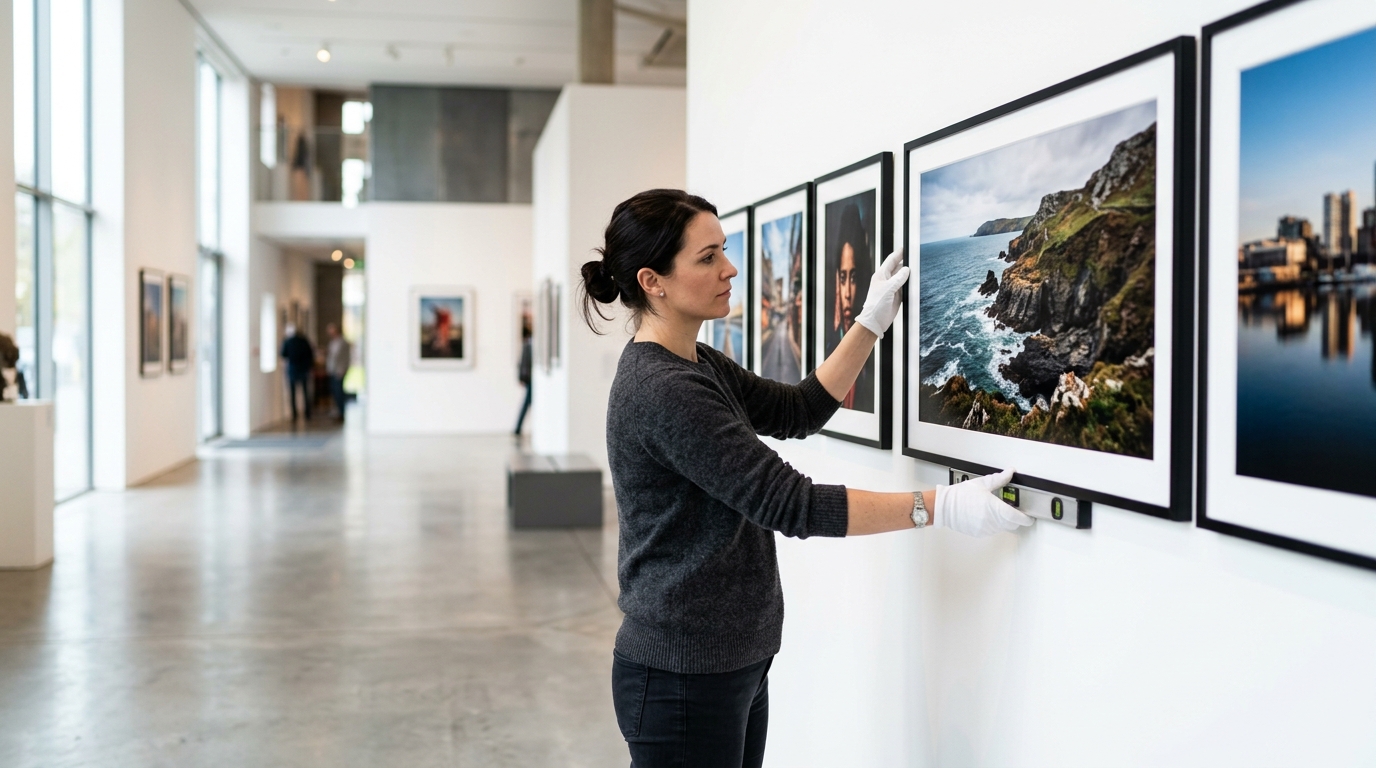
The use of C-Type prints in fine art photography has a long and well-established history. Major galleries and auction houses accept C-Type prints as the standard photographic medium, which itself tells you something important about its credibility.

For C-Type print fine art photography, the Pearl and Gloss finishes tend to dominate. Pearl gives images a sense of depth and dimensional richness that works particularly well for landscape and portrait work in gallery contexts. Gloss delivers punch and saturation for more commercial or graphic-led photographic work.

The professional photo printing UK market for fine art specifically benefits from the C-Type process because the output is reliable from batch to batch. When an artist needs to produce an edition of 25 prints, they need every single print to match. C-Type delivers that, consistently.

What galleries also value is the physical integrity of the print surface. Because the image is inside the paper emulsion rather than sitting on the surface as ink, the print is less susceptible to scratching, surface scuffing, or fading from light handling. That physical resilience matters when work is transported, exhibited, and sold.

Best Paper for Professional Photo Printing: How to Choose

If you're asking what the best paper for professional photo printing is, the answer depends on where the print is going and what it needs to do.

Here is a practical guide to help you decide:

  1. For framed gallery display: Fuji Pearl or Fuji Gloss. Pearl for considered, nuanced work. Gloss for high-impact commercial or portrait photography.
  2. For brightly lit spaces (retail, office): Fuji Matt. Eliminates glare and maintains image clarity under direct lighting.
  3. For backlit or flexible display systems: Fuji Flex. Thinner base that allows the print to be used in lightbox frames or stretched displays.
  4. For archival storage alongside display: Any RC-based Fuji C-Type paper. The resin coating is the key protective factor for long-term preservation.

One thing worth being clear about: the best paper choice is not always the most expensive one or the most technically impressive specification. It is the paper that serves the image and the environment where that image will live.

We always recommend ordering a sample set before committing to large format runs, particularly if you are working with a new client or a new type of subject matter.

Blog illustration

Fuji C-Type Photo Printing at Printlogik: What You Can Expect

We offer professional Fuji C-Type photo prints in the UK through our online print service, with all four Fuji paper finishes available.

Our C-Type service is built around clarity and consistency. You upload your file. You choose your paper finish. You receive a print that matches your expectations, without chasing quotes or managing complex technical back-and-forth.

Here is what matters to most of the photographers, studios, and designers we work with:

  • Genuine photographic output: Our C-Type prints are produced on authentic Fuji silver halide photographic paper, chemically processed for true photographic quality.
  • Four paper options: Gloss, Matt, Pearl, and Flex. Each serves a different purpose, and we'll help you choose the right one if you're not sure.
  • Consistent colour: Our production process is colour-managed and calibrated, so what you see in your edited file is what you get in the final print.
  • Professional turnaround: We understand that professional photography work runs to client deadlines. Our service is built to support that, not complicate it.

You can view the full range of paper finishes and order your Fuji C-Type photo prints directly from Printlogik. No hidden costs. No unnecessary back-and-forth. Just quality print, delivered.

Conclusion

C-Type photo prints in the UK remain the professional standard for a clear set of reasons. The chromogenic process produces true continuous tone images with extraordinary colour depth. The Fuji photographic paper options available cover every professional use case, from gallery exhibition to commercial display. The archival performance is reliable. And the quality is consistent at scale, which is what professional photo printing in the UK genuinely requires.

Whether you are a photographer delivering client portraits, a studio producing exhibition editions, or a designer specifying the best paper for professional photo printing on a commercial project, C-Type photo prints are a decision you can make with confidence.

Understanding the difference between C-Type and inkjet prints, knowing how long C-Type prints last, and being clear about when to choose C-Type vs Giclée gives you the information you need to make the right call for every job.

When the work deserves the best, C-Type is the answer professionals reach for. It has been for decades, and in 2026, that hasn't changed.

Author Image

Get Your Print Right First Time

Every order is checked by a real print expert.

✔ Fast turnaround
✔ No guesswork
✔ No wasted spend

Order with Confidence

Trusted by UK businesses every day

Ready to grow your business with better print?

  • Premium quality marketing materials
  • Fast turnaround & reliable delivery
  • Better pricing for business customers
  • Expert support from Print specialists