Key Takeaways
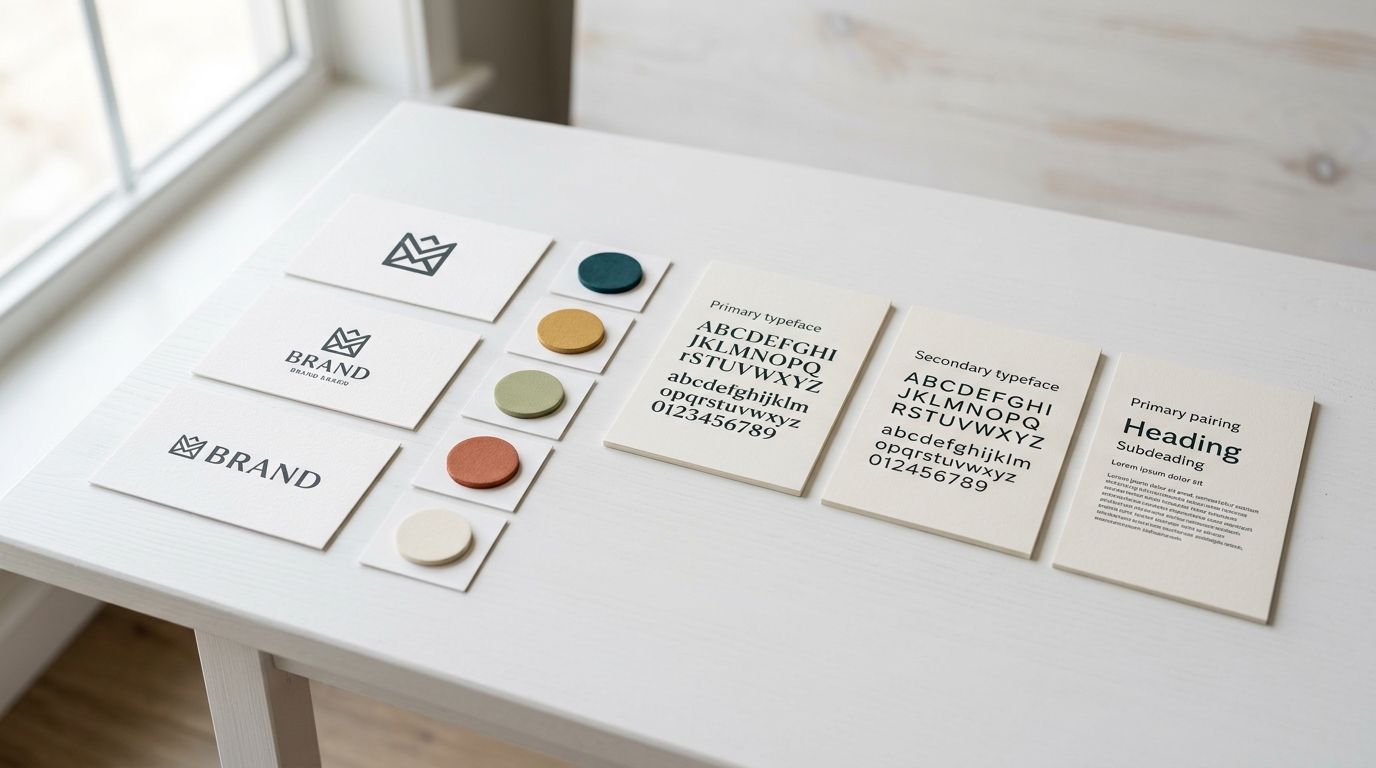
- What to include - Logo rules, colours, typography, tone of voice, content pillars, and post templates.
- How to use it - Define brand “do” and “don’t” examples for social, not just marketing pages.
- Design consistency - Set safe margins, font hierarchy, and image treatment so posts look cohesive at speed.
- Production speed - Build reusable formats for reels, carousels, stories, and static posts so teams can repeat what works.
- Print and social alignment - Use brand guidance to translate identity consistently into offline assets too (packaging, signage, events).
- Where to start with Printlogik - Begin with a logo and brand identity foundation, then extend it into social templates with confidence.
For context and next steps: We work with modern brands that want consistent outputs across channels, and we keep the process practical. If you are starting from scratch, you can explore our Logo Design Package for social-ready brand identity assets, or learn more about our design services.
1) Start with the foundation: your brand identity for social
A Brand Kit that actually holds up on social starts with identity rules that do not change depending on who is posting. When we help teams Develop a Brand Kit for Social Media, we begin by locking down your visual identity and your voice, then translating them into repeatable formats.
Practically, your kit should define:
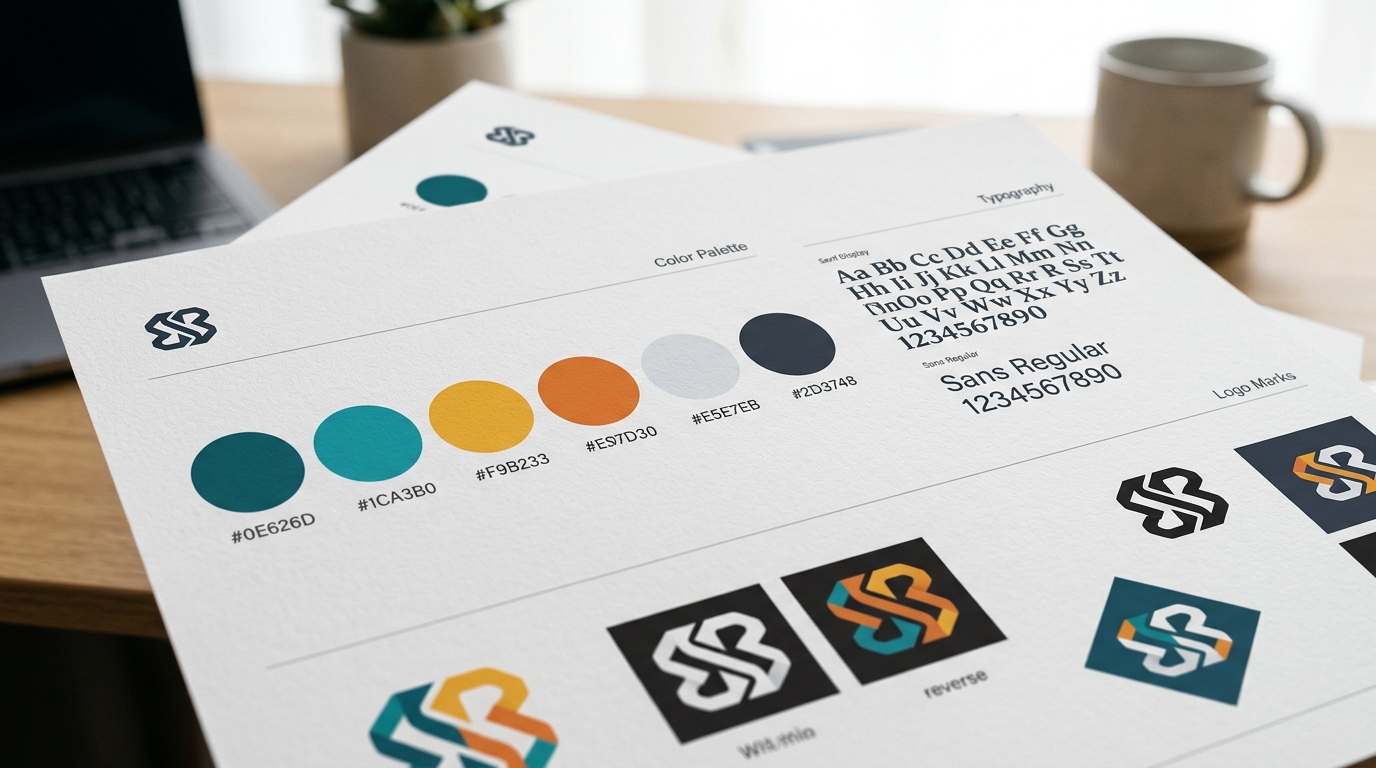
- Logo usage (clear space rules, minimum size, light and dark background versions, and whether you ever crop the mark).
- Colour system (primary, secondary, neutrals, and what to do if a platform changes appearance due to lighting or compression).
- Typography (headline style, body style, and how many font weights you are allowed to use).
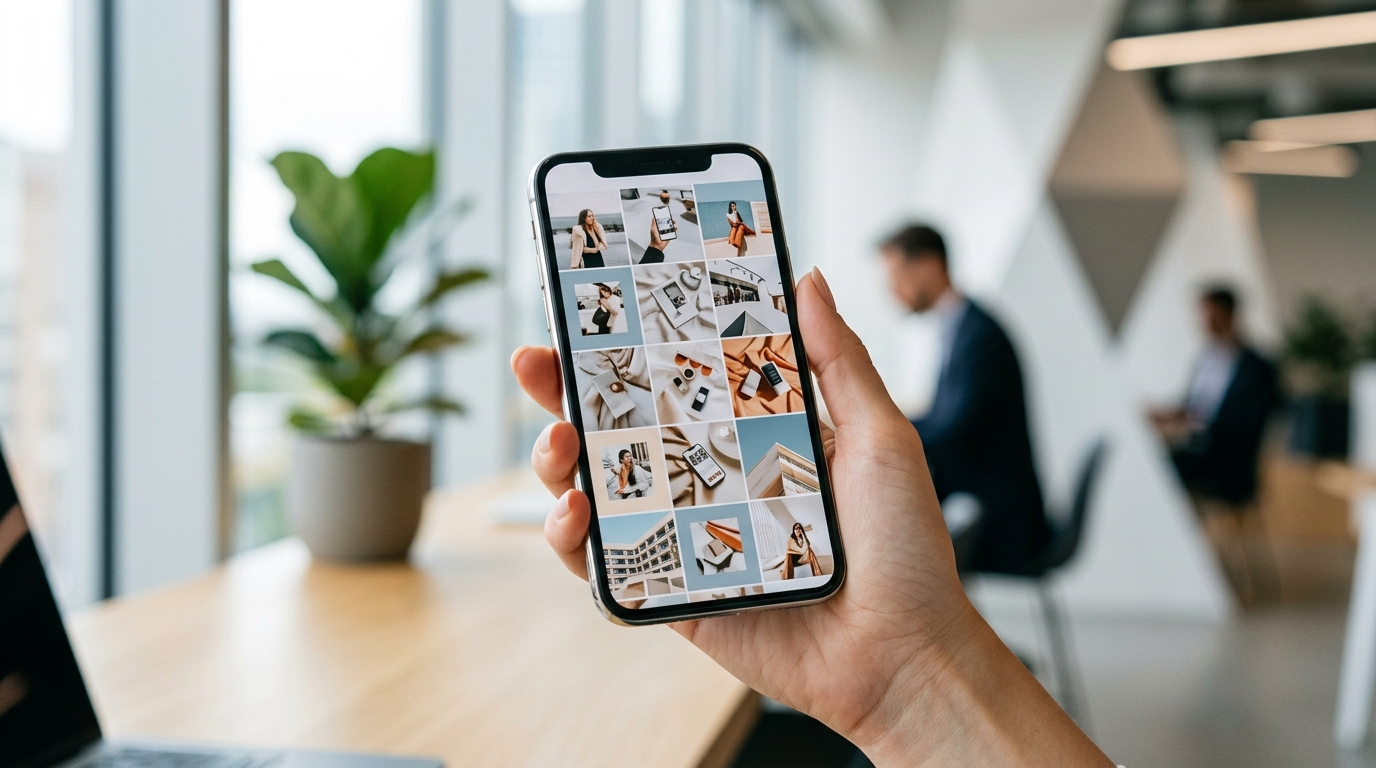
- Image style (contrast level, whether you apply overlays, and how you treat photography vs. graphics).
- Brand voice (how you speak, what you never say, and your punctuation and emoji guidance).
We also recommend documenting the “why” behind choices. That is what stops drift when new team members join or when you are under time pressure.
When brands want a clean launch, one reliable starting point is our logo and identity work. Our Logo Design Package from £349 includes social-ready assets, brand guidelines, and a complete brandbook structure, so you can Develop a Brand Kit for Social Media with fewer gaps.

2) Build a social design system: templates, spacing, and brand-safe layouts
Design consistency is not about being rigid. It is about making the “right look” easy to reproduce. If you want to Develop a Brand Kit for Social Media that survives real workflows, create templates for each content type you publish most often.
For each template, we set clear layout rules such as:
- Safe margins so text stays readable across feed sizes.
- Font hierarchy (title, key message, supporting line) so the brand feels consistent even when content changes.
- Logo placement rules so the brand mark does not compete with the message.
- Colour usage (background vs. accents, and what colour you use for emphasis).
- Consistency for graphics like icons, line art, or recurring illustration styles (if you use them).
In 2026, we are seeing teams move faster because they stop redesigning from scratch. Your kit should let you assemble posts like a system, using consistent rules rather than one-off judgement calls.
Did You Know?
Brands published an average of 9.5 social posts per day across networks in 2024, a slight dip versus 2023.
Source: Sprout Social
3) Define content pillars and caption rules that match your voice
Many kits focus only on visuals. To Develop a Brand Kit for Social Media properly, your system must also cover the words, structure, and formats you repeat.
We help teams build content pillars that match audience intent and buying behaviour, then tie each pillar to:
- Caption structure (opening line style, how you present benefits, and your closing call-to-action).
- Topic boundaries (what you talk about, what you avoid, and how you handle sensitive topics).
- Hashtag guidance (if you use them, what type, and how many).
- Community rules (reply tone, how you address comments, and escalation steps).
If you want social consistency, you must write rules you can follow on a busy day. That includes the small details, like whether you write in sentence case or title case, whether you use emojis, and how you handle numbers and dates.
4) Create platform-specific variants without losing your core identity
Social media is not one stage. Your kit should Develop a Brand Kit for Social Media that works across platforms while keeping a recognisable core.
Use a simple structure:
- Core brand components that do not change (logo rules, colours, typography).
- Platform variants that adapt format specs (sizes, safe areas, movement style for video).
- Content rules that translate (voice and caption structure).
For example, your kit might specify that the same brand headline style appears across all posts, while the layout changes to fit each platform’s feed rhythm. This approach keeps the brand recognisable, even when your team publishes at different times or with different content assets.
5) Make approvals and asset handover painless (so your kit gets used)
The best brand kit is the one your team actually applies. If people have to ask permission for every post, the system breaks down.
We recommend adding operational rules to your kit, such as:
- Who approves what (brand voice, colour use, final logo placement, and campaign messaging).
- What can be posted without approval using approved templates.
- File naming conventions so assets do not get lost.
- Version control for templates, fonts, and brand guidelines.
- A checklist for every post (logo present, correct colours, text legible, caption matches voice).
This is also where working with a partner can help. If you already know you will need brand and design support, we can help you keep production aligned with brand rules instead of reworking inconsistent assets later.
6) Translate brand kits into social-to-print consistency for real campaigns
Even though Develop a Brand Kit for Social Media focuses on social, campaigns are rarely only online. Your audience sees the brand across touchpoints, and consistency builds trust.
When brands align identity rules across channels, it becomes easier to keep messaging cohesive from posts to events. For example, social promotions often lead to physical displays and signage, where visual rules should already exist in your kit.
If your next campaign involves events or retail promotion, we support branded display needs through our range in Signs, Banners & Displays. For roller banners, we offer practical options like our Budget Roller Banner (400gsm anti-curl SoFlat graphic) and desktop formats such as Desktop Roller Banner for counter-level visibility.
This matters because when the social visuals and the offline visuals share the same colours, typography hierarchy, and logo rules, the brand feels deliberate instead of improvised.
7) Keep performance expectations realistic and update your kit as benchmarks shift
A brand kit should reduce guesswork. It should also evolve. In 2026, benchmarks change and platforms evolve, so your kit needs revision cycles instead of a one-time build.
One helpful approach is to treat your kit as a “system of record” for creative consistency, while you test and update the elements that drive engagement.
For example, if engagement patterns change on platforms, your kit can still stay consistent because you already have repeatable formats. You do not redesign from scratch each time, you update the specific creative components in your templates.
Did You Know?
Instagram averages about 0.4% to 0.60% engagement rate in benchmark ranges, so consistent creative systems matter even more.
Source: Adobe
As a result, we advise quarterly reviews in your process. Review which templates perform, update colour and typography only when you have a clear reason, and keep the kit stable enough that your audience recognises you instantly.
8) Practical social-ready starting point: logo, identity, and social templates
If you are unsure where to begin, a sensible path is to start with logo and identity rules, then extend into social-ready templates. That sequence prevents you from designing posts before the identity is stable.
Our process supports that direction. Our Logo Design Package for £349 includes social-ready versions, brand guidelines, and templates sized for major platforms. That gives you the essentials needed to Develop a Brand Kit for Social Media without gaps in logo usage, colour, and typography.
From there, you can apply the same brand guidance to assets beyond social. When you eventually produce event graphics, backdrops, or campaign displays, the brand kit already exists, so you are not rebuilding identity each time.

Conclusion
To Develop a Brand Kit for Social Media that works in 2026, we recommend you start with brand identity rules, build repeatable template layouts, define content pillars and caption structure, and then add operational guidance so your team can use the kit without friction. When you combine consistent creative systems with realistic performance expectations, your brand stays recognisable even when publishing volume is high.
At Printlogik, we believe sustainable, smarter print should support how modern businesses communicate, and we keep the process straightforward. If you want help starting the foundation, visit Printlogik and explore how our design services and identity support can help you develop a social brand kit with confidence.
Frequently Asked Questions
What is included in a brand kit for social media in 2026?
A social brand kit in 2026 typically includes logo usage rules, a colour palette, typography guidance, image style instructions, brand voice for captions, and ready-to-use post templates. To Develop a Brand Kit for Social Media effectively, you should also include “do and don’t” examples and basic production checklists.
How much does it cost to develop a brand kit for social media?
Costs vary depending on whether you already have a logo and brand identity, and how many templates you need. If you are starting fresh, a practical first step is our Logo Design Package for £349, which includes social media ready assets and brand guidelines that make it easier to Develop a Brand Kit for Social Media.
Should my brand kit include templates for every social platform?
It is usually better to define core brand components once, then create platform-specific template variants. When you Develop a Brand Kit for Social Media this way, the identity stays consistent while the layouts adapt to each platform’s format and viewing behaviour.
How do I keep my brand kit consistent when multiple people post?
Include clear approval rules, pre-approved templates, and a lightweight posting checklist. That is the operational difference between a document and a system, so when you Develop a Brand Kit for Social Media, your team can apply it reliably under real deadlines.
Do I need to update my brand kit if performance benchmarks change?
Yes, you should review your kit periodically, especially when platform engagement patterns shift. The goal is to update the elements you test, while keeping the core rules stable, so your Develop a Brand Kit for Social Media remains recognisable and usable.
Can a brand kit help with social-to-print consistency?
Absolutely. When your identity rules are clear, it is easier to keep the same logo usage, colours, and typography across offline assets linked to your campaigns. This supports how you Develop a Brand Kit for Social Media into real-world promotion without visual drift.